
It was the sound of a whistle in our favorite bar that made me realize nothing felt normal anymore. Going out to eat and drink during unprecedented times is simultaneously important and stressful, but maybe what we’ve learned here in Minnesota can help you should your community face a similar crisis.
On January 24th, 2026, my husband and I went to a Minneapolis bar a few hours after the murder of Alex Pretti by a Customs and Border Protection officer. We wanted to be with our community as everyone moved about the city in a state of shock that this kind of violence could happen, again, and just hours after the massive peaceful march and general strike the day before. I knew that whoever was working would be hanging on by an emotional thread and we wanted to be peaceful, friendly faces on a hard day.
A little while into our drinks, someone from a group seated at the tables behind us got up, looked over the bar’s stash of resistance supplies—cards outlining immigrant rights, lists of rapid response phone lines, pins, etc. He grabbed a couple of the 3D printed whistles and gave them to others at his table. One woman blew the whistle a couple of times, causing several people in the bar to immediately tense up and frantically look around.
When a manager politely explained that this was inappropriate to do inside the bar, the woman and her group got defensive.
“I didn’t know.”
“I’m from the suburbs.”
“She didn’t believe a 3D printed whistle could actually work and was just testing it.”
“We’re on your side, I swear. It’s not a big deal.”
But here’s the thing: When your city is making national and international news, “I’m from the suburbs” is not a good excuse. It might have been an honest mistake, but it was an avoidable one.

When asked, hospitality professionals offered the following suggestions of how to make going out a good experience for everyone. This is far from a comprehensive list of suggestions, but hopefully something here makes these strange situations easier for everyone. If you’re a bar or restaurant patron like me, I hope this encourages you to get out and support your local community. If you’re a hospitality worker, I hope this helps you have an easier time as you navigate your job.
Practical Tips from the Professionals
First and foremost, support your community by being a part of your community.
- Get out to your favorite spots and try to find new favorites along the way. Dining in is always the best way to show financial and emotional support, but even ordering takeout can help.
- All locally owned bars and restaurants need support, but those owned by immigrants and people of color are hurting most of all. Workers are staying home out of fear causing a lot of spots to reduce their hours, which means fewer sales, shifts, and tips.
- If the closure of a bar or restaurant would make you think “I loved that place; I wish I had gone more often,” go there now.
Your community can’t thrive if it can’t afford to survive.
- Go to those fundraising pop-ups and spend money, but be sure to order from a venue’s normal menu as well. The amount of mutual aid fundraising that is happening is amazing, but if the proceeds from a special drink, dish, or menu are going to fundraising, that means they aren’t going to the venue. By ordering off the standard menu as well, you help support the space and the people hosting the fundraiser. And it should go without saying: tip generously!
- Here’s one I wouldn’t have thought of: Be thoughtful about how you’re paying. When bars and restaurants are struggling, every penny counts. If you close out and have your card run for every order, that costs the venue more credit card processing fees than having a tab open. If you’re out with friends and want to split who pays for each round, consider one tab and then splitting costs on Venmo or PayPal.
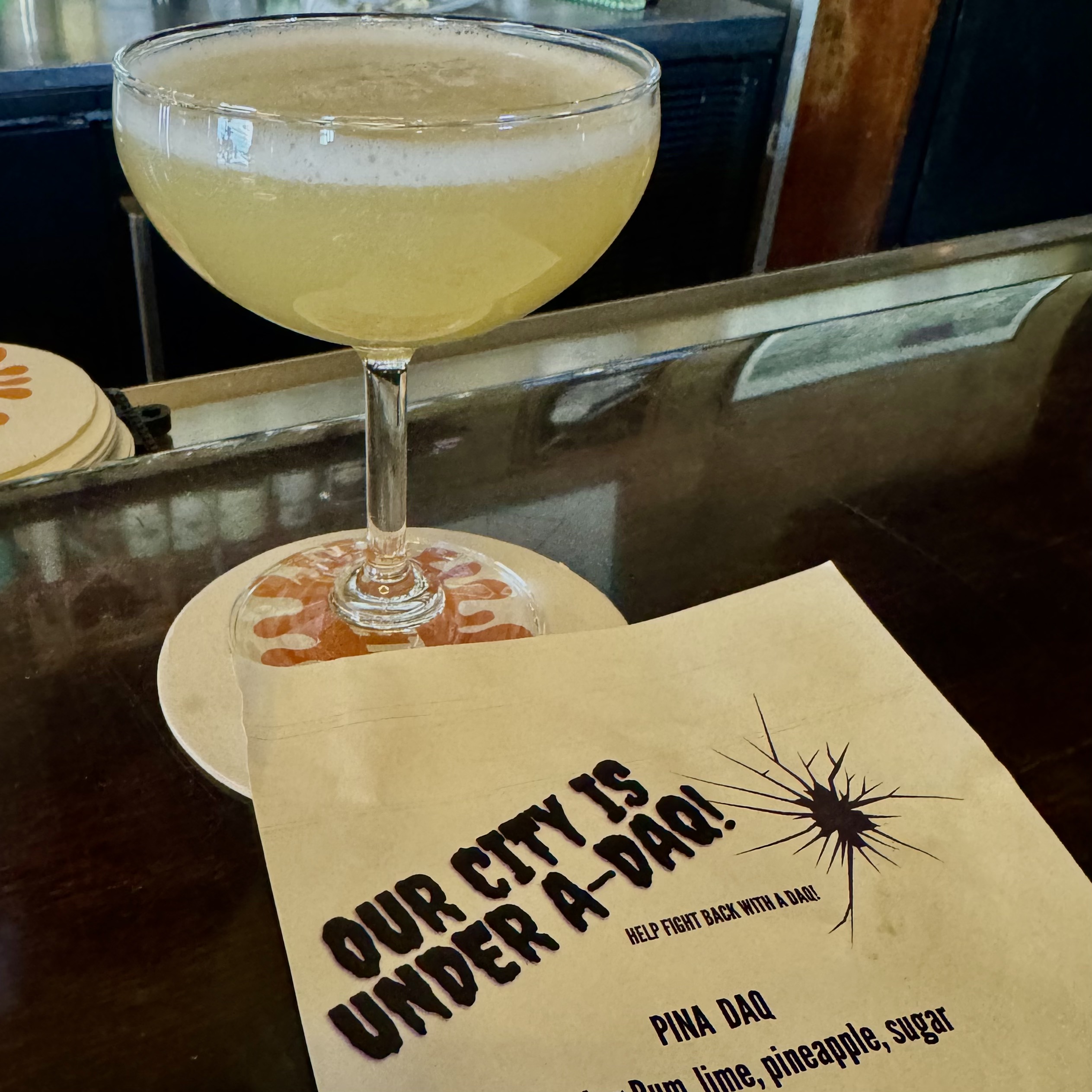
Treat everyone with grace.
- Bars and restaurants that are actively speaking out and working against Immigration and Customs Enforcement (ICE) are being targeted by smear campaigns, harassing phone calls, and sometimes even violence. Even if a venue is vocal on social media, they may be hesitant to have in-person conversations about their thoughts on the situation, especially if you aren’t a known regular.
- Support bars and restaurants that share your values. No one has the energy to argue with you, and staff members aren’t there to engage in a political debate with you. Either stick to places that agree with you or keep it to yourself.
- It’s okay to acknowledge the strange circumstances, but remember that hospitality workers are having this conversation with dozens of people a day. One bartender I talked to suggested avoiding the basic “How are you?” greeting, because there’s no good answer. Some good alternatives might be “Good to see you,” “Happy [insert day of the week],” or simply “Glad to be here.”
- Emotions are running high and most people are functioning in an extended state of fear. Remember that you’re there for an hour or two but the people working have to be worried for the entirety of their shift, and are probably worried about their colleagues even when not working. Imagine having to do your normal every day job while also being on high alert every second for people coming to detain your friends, your neighbors, your colleagues, and possibly even your customers.
- It’s not appropriate to ask probing questions, such as if anyone from the restaurant has been detained or if they have a lot of immigrant workers. This isn’t safe or appropriate information to share with customers and may make staff suspicious of your intentions. (ICE agents have been known to dine at a restaurant and then come back later to make “arrests.”)
Some of you may not be at personal risk of being detained, but you may be worried about the risk of a disruption to your experience. Disruption might look like your reservation getting cancelled because the restaurant is understaffed and shortening their hours, ICE showing up to detain the people who are plating your appetizer, or a protest passing by as you’re having dessert and causing you to wonder if you’ll get stuck in traffic as you leave.
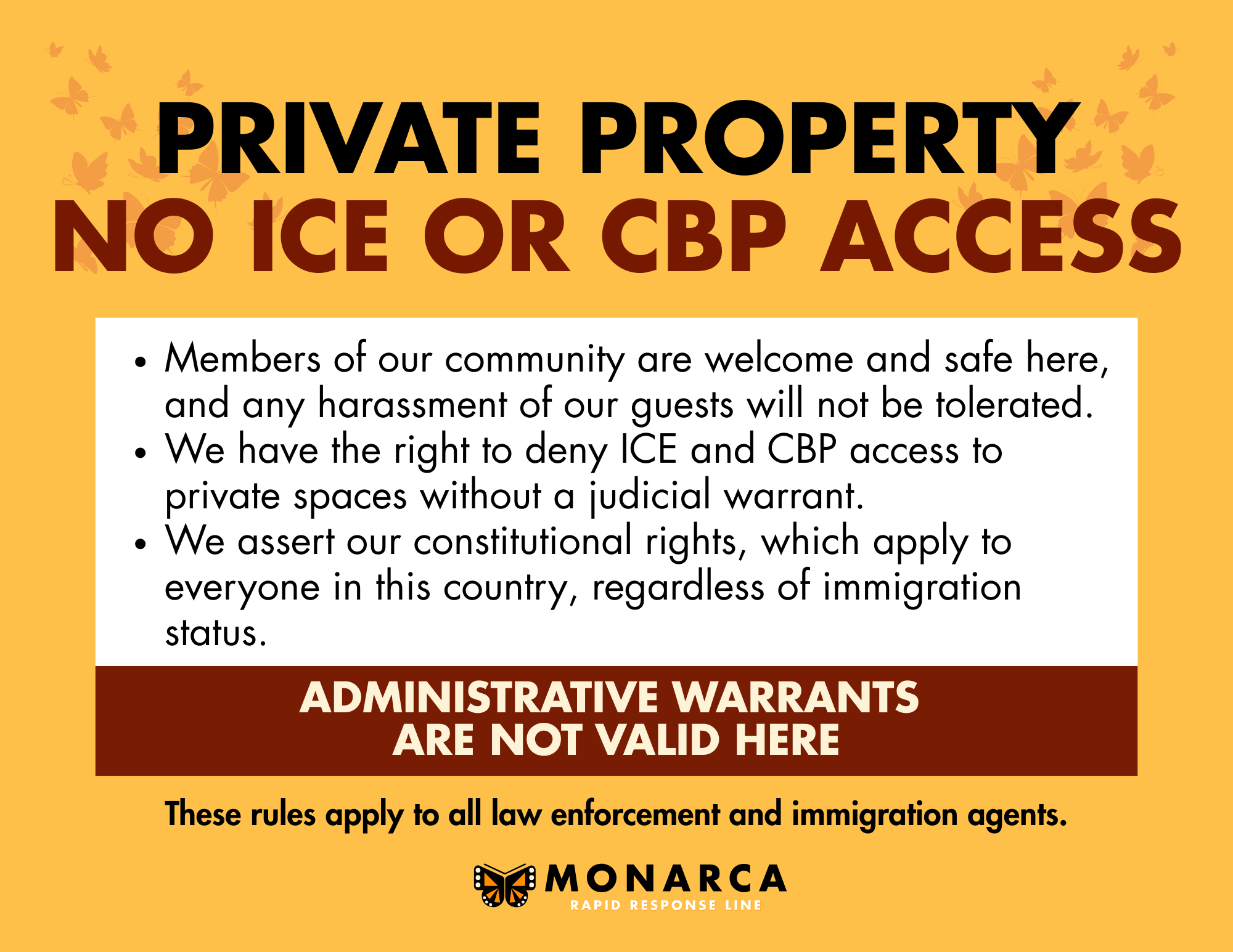
Some Dos and Don’ts if ICE shows up while you’re at a bar or restaurant
- Do follow the staff’s lead if there’s an incident. Most bars and restaurants have a plan.
- Do not independently interact with ICE agents. The venue should have someone trained to ask the right questions and assert the business’s rights.
- Do take video of the situation. Photos of agents, vehicles, badges, etc., are valuable but only if you can do so safely.
- Do NOT post the video without the restaurant’s permission. Video of an incident should be carefully reviewed before posting so that agents can’t use it to find justification for their actions.
- If you’re comfortable, and the situation calls for it (take the staff’s lead), you may help form a barrier between agents and private spaces.
- Do not get aggressive with ICE agents. It is likely to escalate the situation, putting yourself and others in danger.
- If you’re uncomfortable, at risk, or simply unsure what to do, do nothing. It’s better to be a passive observer than to risk making the situation worse.
At the end of the day, the key message is that if it’s safe for you to be out and about (and as long as you’re not one of the minority groups being targeted, you’re probably safe), your community needs you. Your favorite restaurant needs you. Your favorite bar needs you. But they also need you to be kind, patient, and understanding. The only way we all get through this is together.
Going out to eat and drink can feel strange when your city is experiencing ongoing violence and trauma. Humans are complicated creatures and it is possible—perhaps even necessary—to seek normalcy, joy, and connection even while your heart rages. Here in Minnesota, we remain angry at the deaths, angry at the lies, and angry for all of the families being torn apart by the violent actions of ICE, but we resist and we persist.
To resist we must refuel, and for many people, going out to eat and drink refuels the spirit as much as it does the body. This is the power, and necessity, of hospitality.

Ways to Help
- Help the House Foundation – Supports industry professionals directly.
- The Salt Cure Fund – Supports Minnesota restaurants.
- Other Minnesota Mutual Aid Funds